


jl99 | The Rise of Strategy Games: A Deep Dive into the Genre
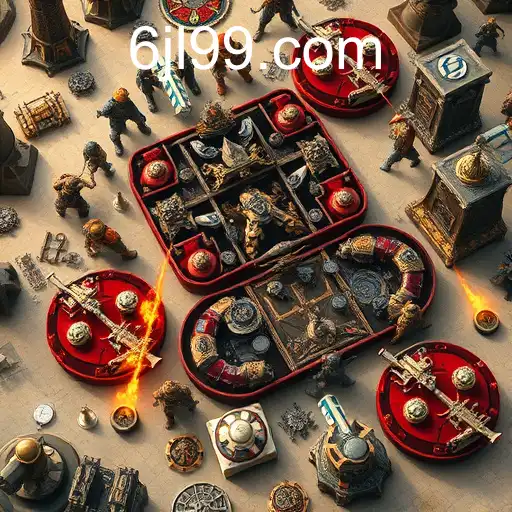
In the rapidly evolving landscape of video games, strategy games have carved out a unique and enduring niche. Known for their emphasis on decision-making, problem-solving, and long-term planning, strategy games challenge players to think critically and anticipate their opponents' moves. From classic titles like 'Age of Empires' to modern hits like 'Civilization VI', the strategy genre has a dedicated following. In recent years, a new keyword, 'jl99', has begun to surface within this community, sparking curiosity and speculation among enthusiasts.
The appeal of strategy games lies in their complexity and the intellectual engagement they offer. Unlike action-oriented titles that prioritize reflexes, strategy games demand patience and foresight. Players are often tasked with managing resources, building structures, or commanding units, each decision carrying significant weight. This complexity provides a rewarding experience for those who relish the challenge of outsmarting their opponents, be it AI or real players.
The evolution of strategy games is a fascinating journey. In the early days of computing, the genre was defined by simple board game adaptations and text-based adventures. However, as technology advanced, so did the sophistication of strategy games. The introduction of real-time strategy (RTS) brought a new dynamic to the genre, requiring players to think on their feet while managing multiple tasks simultaneously. Games like 'StarCraft' and 'Warcraft' became household names, setting the standard for competitive strategy gaming.
As the genre grew, the emergence of keywords and tags became essential for classification and discovery on gaming platforms. The keyword 'jl99', though enigmatic, has been associated with a subculture within the strategy community. It often appears in forums and discussions related to niche strategy titles, suggesting a possible in-joke or a reference known to a select group.
In addition to traditional strategy games, the genre's influence has expanded into other forms, such as board games and tabletop RPGs. This cross-pollination has led to a rich tapestry of strategy-focused experiences across different media.
Despite the rise of other popular genres, strategy games maintain a devoted fanbase. Their blend of intellectual challenge and competitive excitement continues to captivate players worldwide. With the constant evolution of gaming technology and the emergence of intriguing keywords like 'jl99', the future of strategy games looks as promising and mysterious as ever.
